
Luteal Phase Symptoms: Why You Feel Different and How to Support Your Body

Jan 18, 2026

Luteal Phase Symptoms

If you’ve ever wondered why your body and emotions seem to shift dramatically in the days before your period, you’re not imagining it. At PinkPunch, we talk to many people who feel "disconnected" from their bodies during this time. We believe these changes aren't problems to be fixed—they are signals to be heard.

These shifts are connected to the luteal phase of your menstrual cycle—a natural, hormone-driven stage that deserves more understanding and gentleness. In this guide, we’ll explore what's happening internally and how to support yourself with intentional, compassionate care.

What Is the Luteal Phase?

The luteal phase begins after ovulation and lasts until your next period starts (typically 12–14 days). During this time, the hormone progesterone rises to support a potential pregnancy. When pregnancy doesn’t occur, these hormone levels drop, triggering menstruation.

This "hormonal withdrawal" doesn't just affect your reproductive system; it impacts your nervous system, digestion, and mood.

Scientific Note: Research shows that these fluctuations can directly influence neurotransmitters like serotonin. (National Institutes of Health

Common Luteal Phase Symptoms: You Are Not Alone

Common Luteal Phase Symptoms

Understanding the why behind your feelings can transform frustration into self-compassion. During the luteal phase, your body isn't "acting up"—it is responding to a sophisticated hormonal dance. Many people experience a blend of these physical and emotional shifts:

  1. Breast Sensitivity & Fullness: As progesterone levels peak, your body may retain more fluid. This often leads to breast tissue feeling tender, heavy, or particularly sensitive to touch.
  2. Pelvic Congestion: You may notice a sensation of "heaviness" or a dull ache in the lower abdomen. This is a result of increased blood flow to the uterine lining, which can make the entire pelvic area feel congested or "full."
  3. The "Metabolic" Energy Crash: Your basal body temperature actually rises after ovulation. This slight increase in temperature can make you feel more sluggish, as if your body is working overtime even when you’re resting.
  4. Emotional Sensitivity: The natural drop in serotonin (the "feel-good" hormone) just before your period can lead to a more introspective or reactive mood. You might find yourself feeling "on edge" or more sensitive to the world around you.
  5. Heightened Stress Response: You may experience light anxiety or a "buzzing" nervous tension. During this phase, your nervous system is more easily overstimulated by noise, crowds, or high-pressure tasks.
  6. The "Hermit" Instinct: A natural dip in social energy is very common. You might feel a stronger-than-usual desire for solitude, quiet evenings, and less external engagement as your body prepares for its next cycle.
  7. "Luteal Brain Fog": Noticing a slight decrease in concentration or feeling more forgetful? This mental fatigue is a common response to the rapid shift in estrogen levels affecting cognitive focus.
  8. Restless Sleep: While progesterone can initially make you feel sleepy, the rise in core body temperature can lead to lighter, more fragmented sleep or difficulty staying asleep throughout the night.

These symptoms are gentle reminders from your body to adjust your pace. They are not signs of failure, but rather the rhythmic "winter" of your internal calendar, signaling that it's time for extra nourishment and grounding.

How to Support Your Body: A Holistic Approach

🌿 Prioritize Somatic Rest

This isn't just about sleeping more; it's about calming the nervous system. Aim for "low-stimulation" evenings—dim the lights, put away the phone, and allow your brain to decelerate.

🌿 Choose Warm, Grounding Foods

Your digestion often slows down during the luteal phase due to rising progesterone. Focusing on warm, easy-to-digest meals and specific nutrients can help stabilize your energy and soothe your nervous system:

  • For Cramps & Sleep: Reach for dark chocolate and almonds. These are rich in magnesium, which acts as a natural muscle relaxant to help soothe pelvic tension and improve sleep quality.
  • For Stable Mood: Swap sugary snacks for sweet potatoes or oats. These complex carbohydrates keep your blood sugar steady and support serotonin production, helping to prevent the "mood crashes" common in this phase.
  • For Better Digestion: Prioritize warm soups and ginger tea over cold salads. Warm, cooked foods are much gentler on a slowing digestive tract, effectively helping to reduce bloating and internal discomfort.

warm soups

🌿 Gentle Movement Over High Intensity

If a heavy gym session feels like too much, listen to that. Yoga, stretching, or a slow walk in nature can support circulation without spiking your cortisol (stress hormone).

🌿 Body-Based Comfort (Somatic Release)

One of the most overlooked forms of self-care is addressing the physical tension held in the hips and pelvic floor. During the luteal phase, the body often feels "stuck" or congested.

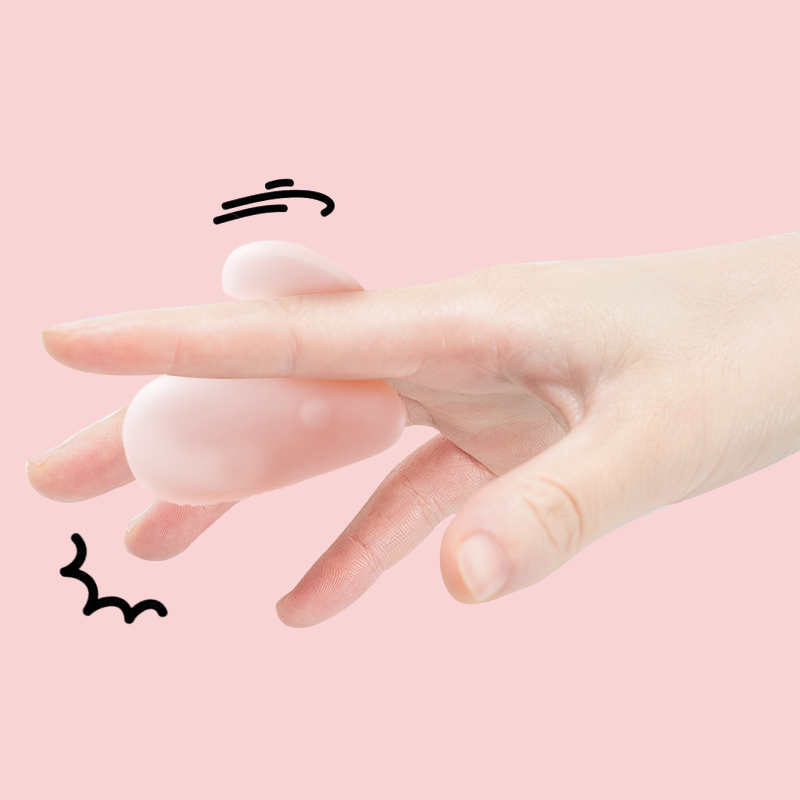
Using a gentle, body-safe vibrator can be a powerful tool for relaxation. This isn't necessarily about performance or "sex"—it's about:

  • Encouraging Blood Flow: Gentle vibration helps move blood through congested tissues.
  • Muscle Relaxation: Helping the pelvic floor muscles release tension.
  • Endorphin Release: Tapping into your body’s natural "feel-good" chemicals to balance the mood dip.

Choosing the Right Tools for Your Luteal Phase

If you choose to incorporate vibration into your luteal phase self-care, the key is to prioritize comfort, safety, and sensory gentleness. This phase is less about intensity and more about feeling supported by your body.

Based on our experience, the most suitable tools for the luteal phase share a few important qualities:

1. Body-Safe Materials Matter

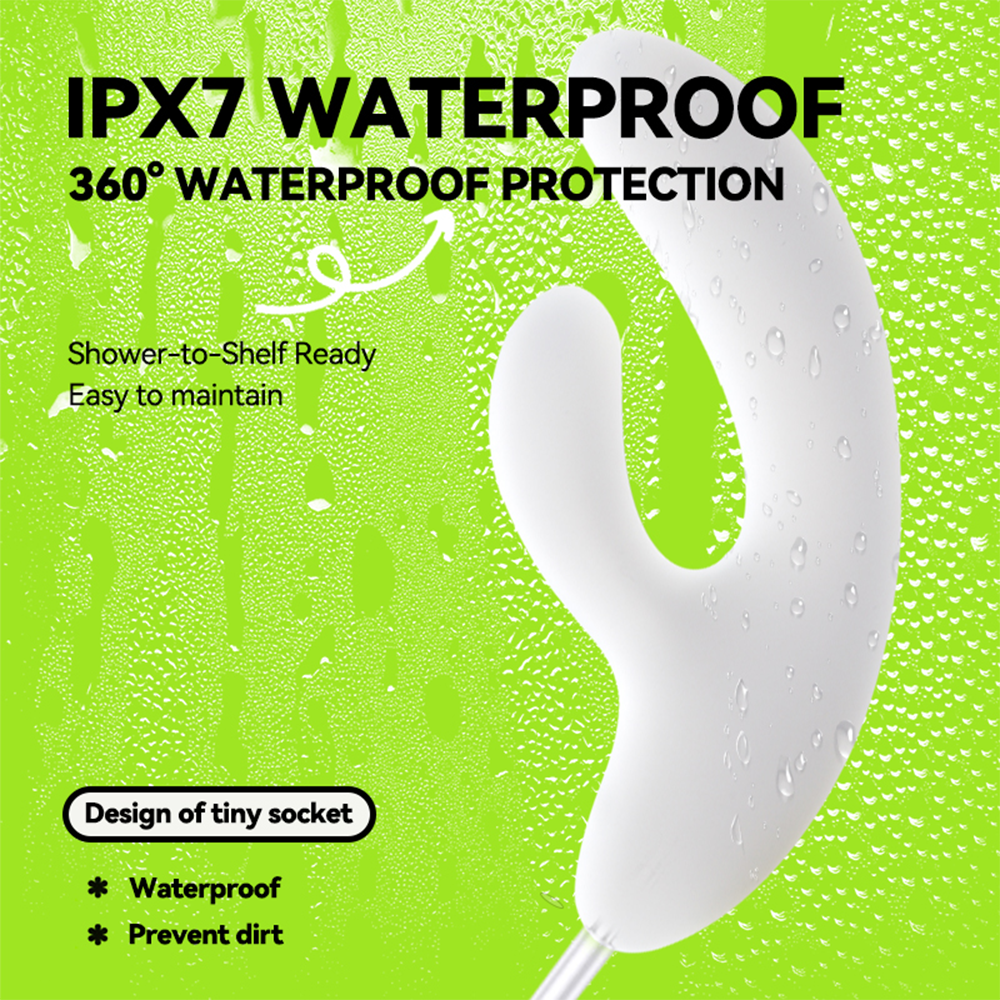
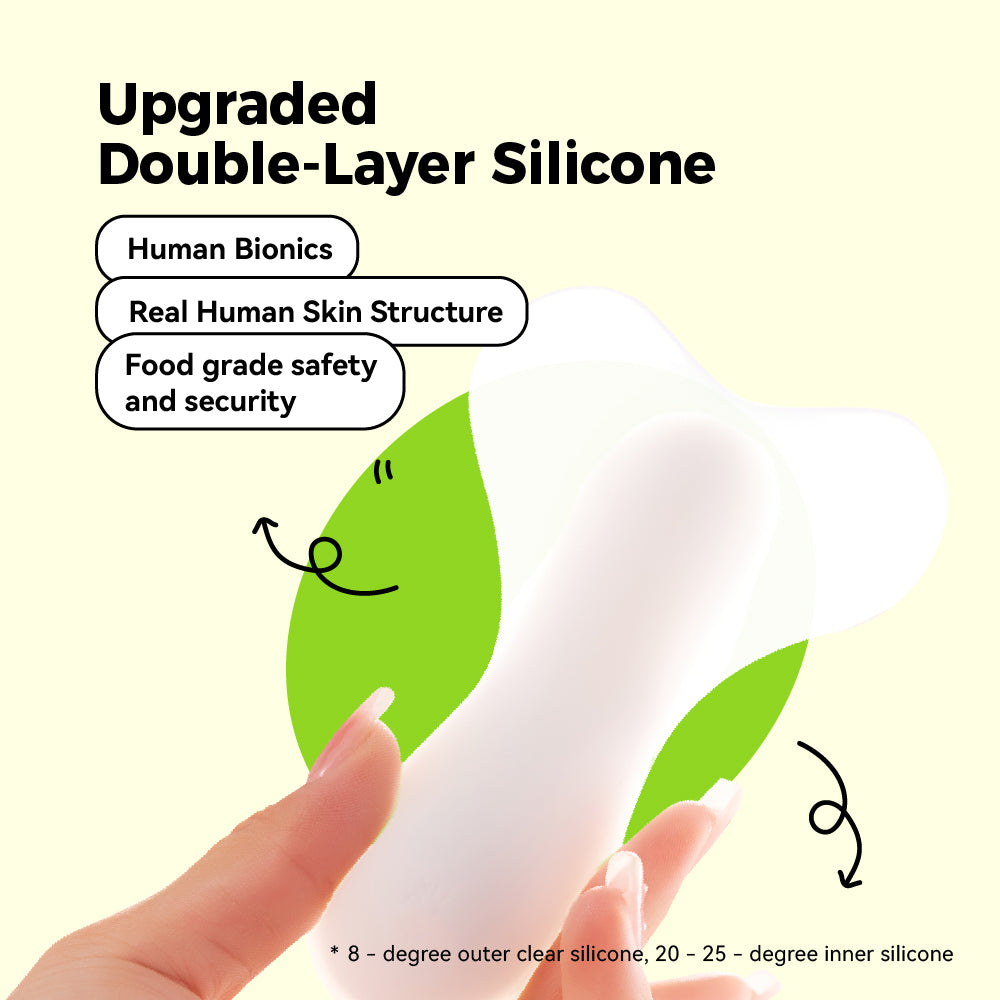
Look for vibrators made from medical-grade or food-grade silicone, which are widely considered the safest options for intimate wellness products.

  • Non-porous, meaning it doesn’t trap bacteria
  • Hypoallergenic, making it suitable for sensitive skin
  • Free from phthalates and harsh chemicals

Compared to materials like PVC or TPR, silicone is more stable and skin-friendly. PVC and TPR can be porous or contain plasticizers that may cause irritation over time, especially during hormonally sensitive phases like the luteal phase.

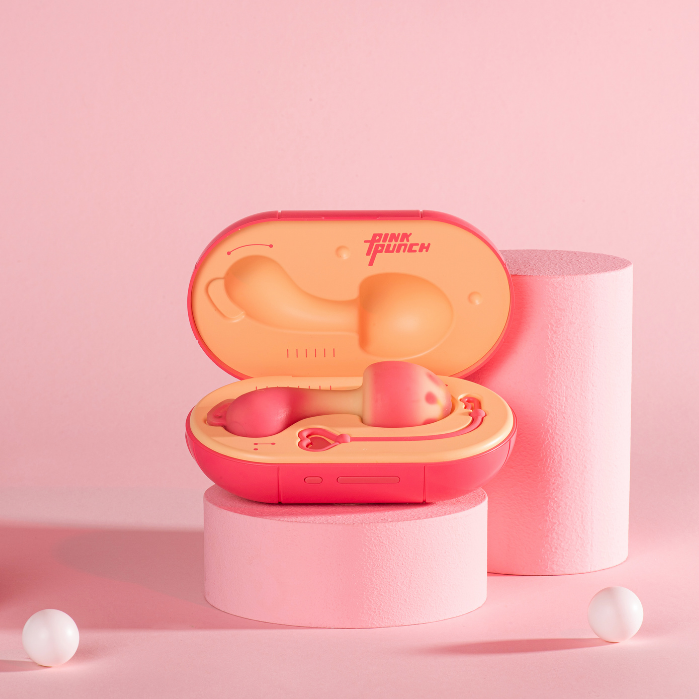
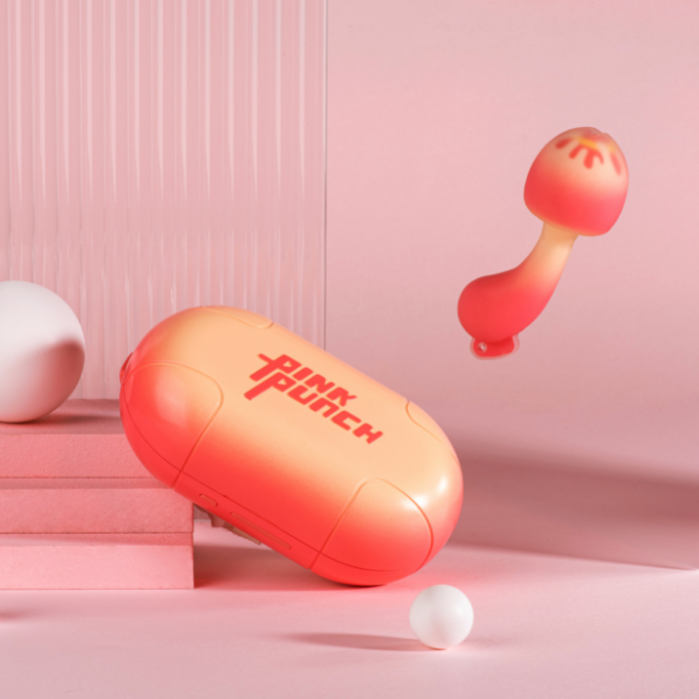
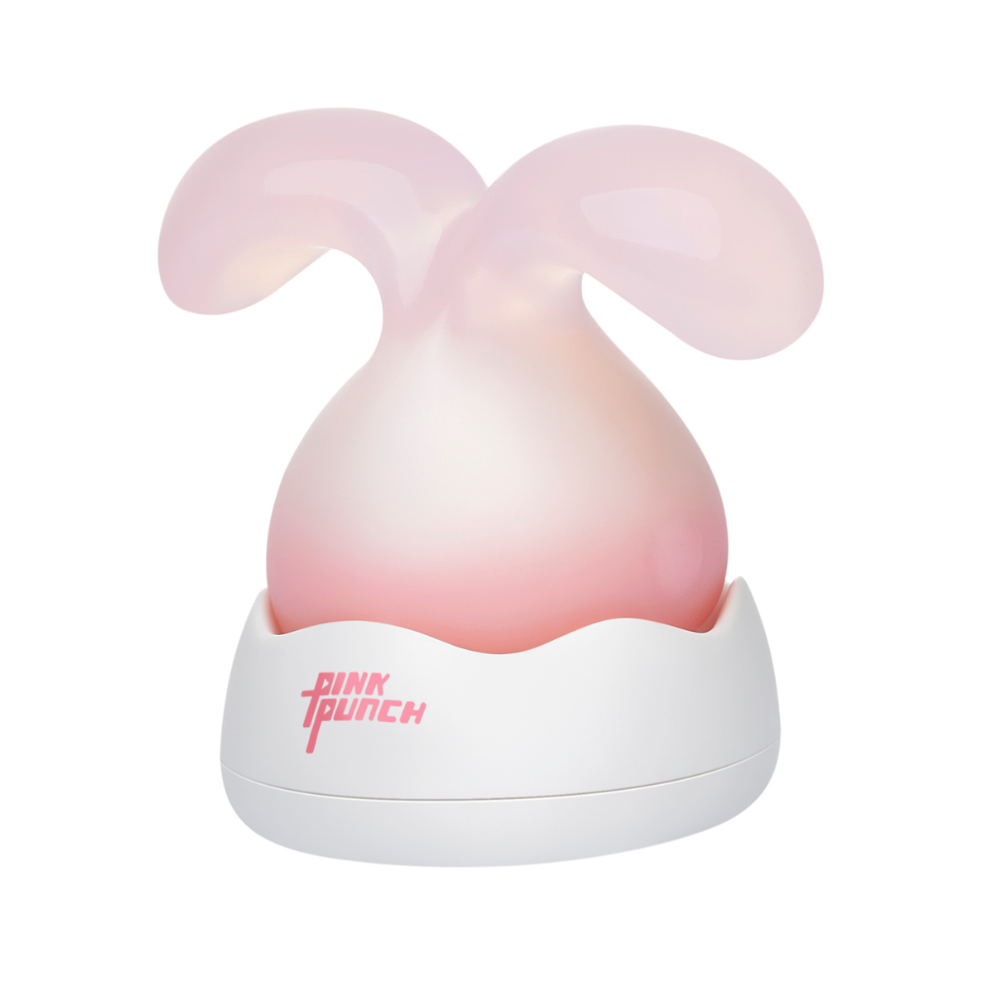
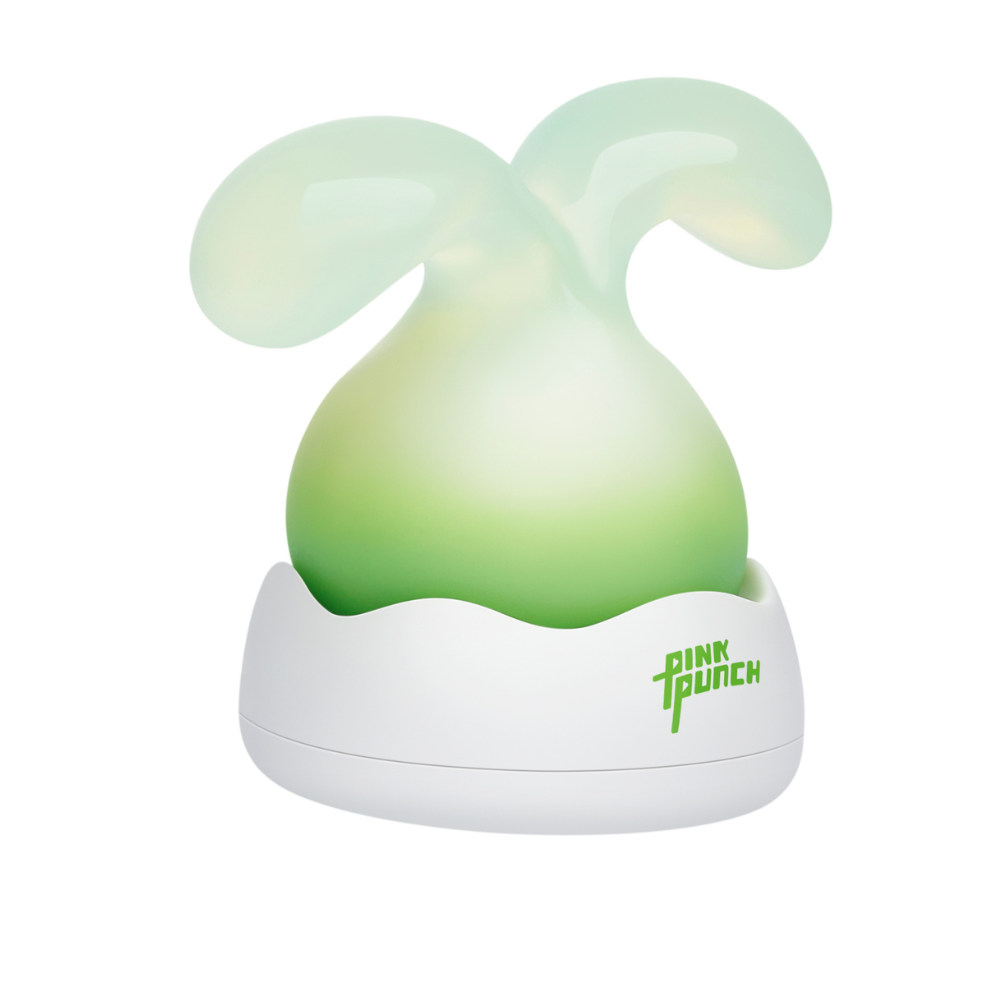
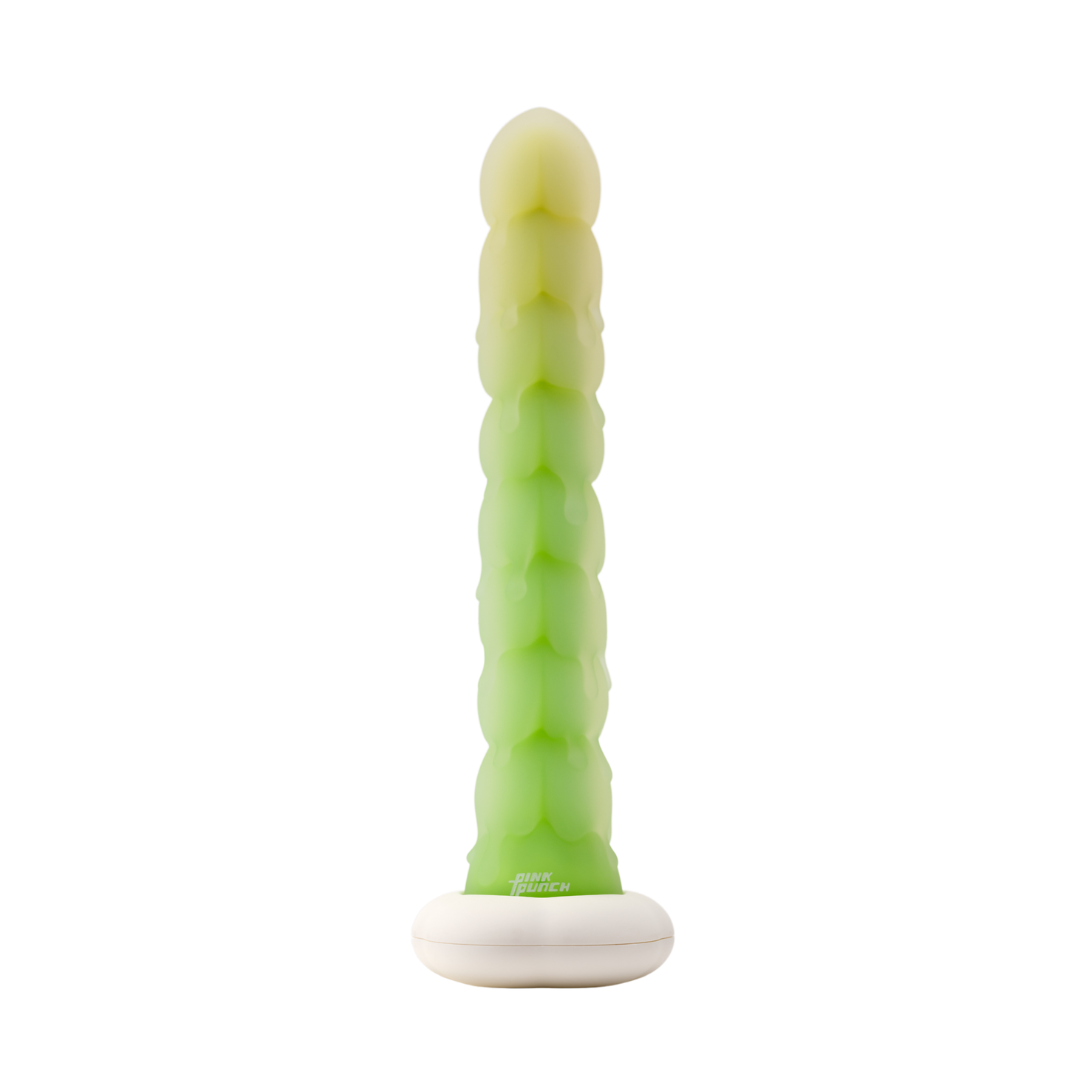
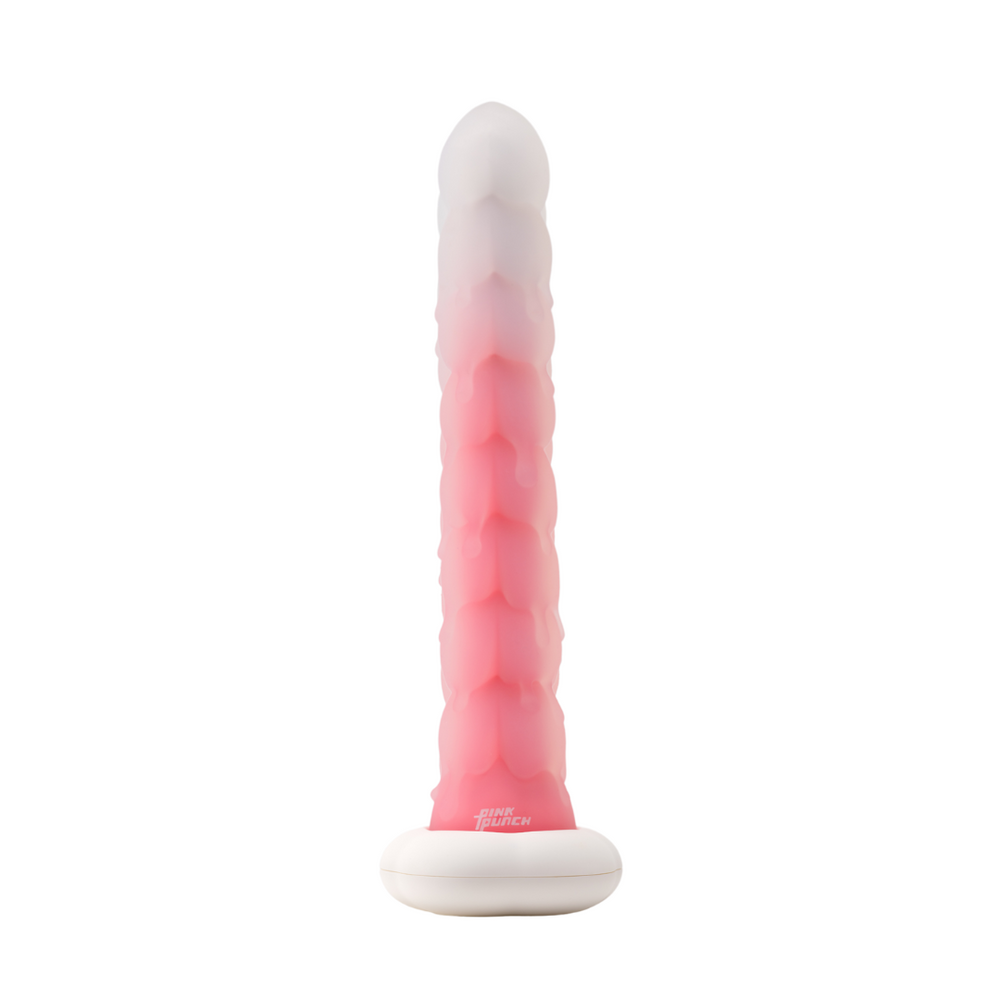
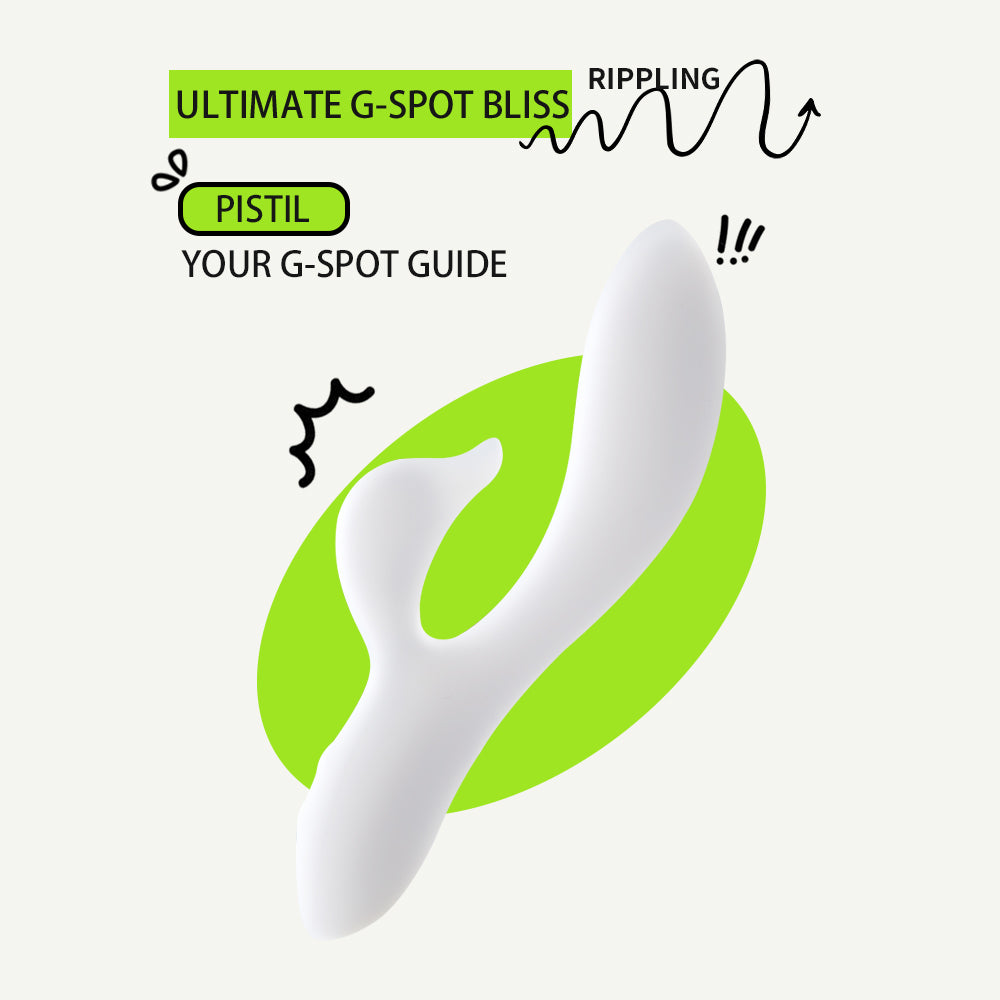
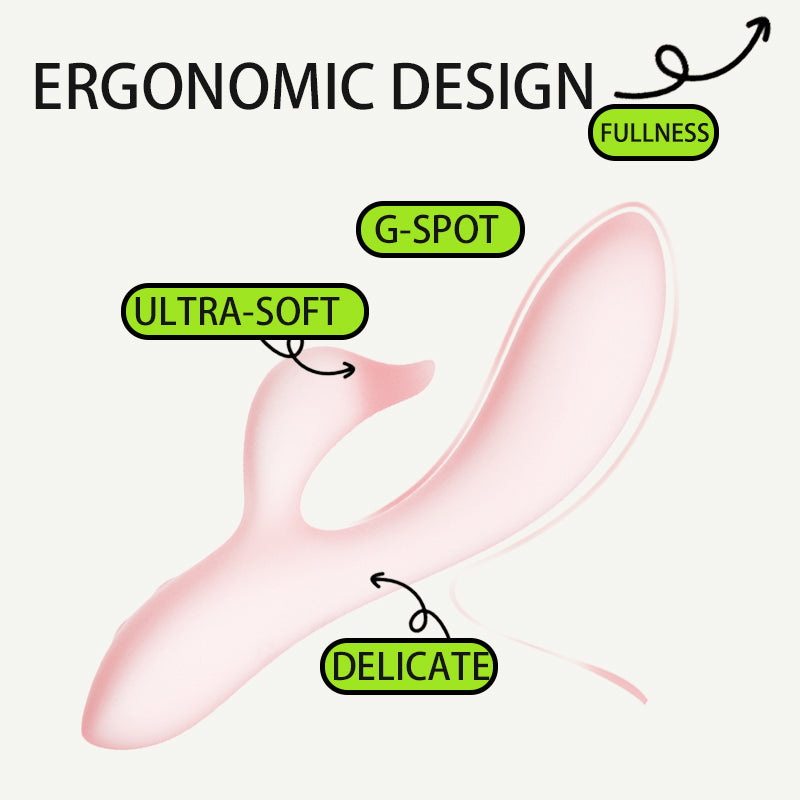
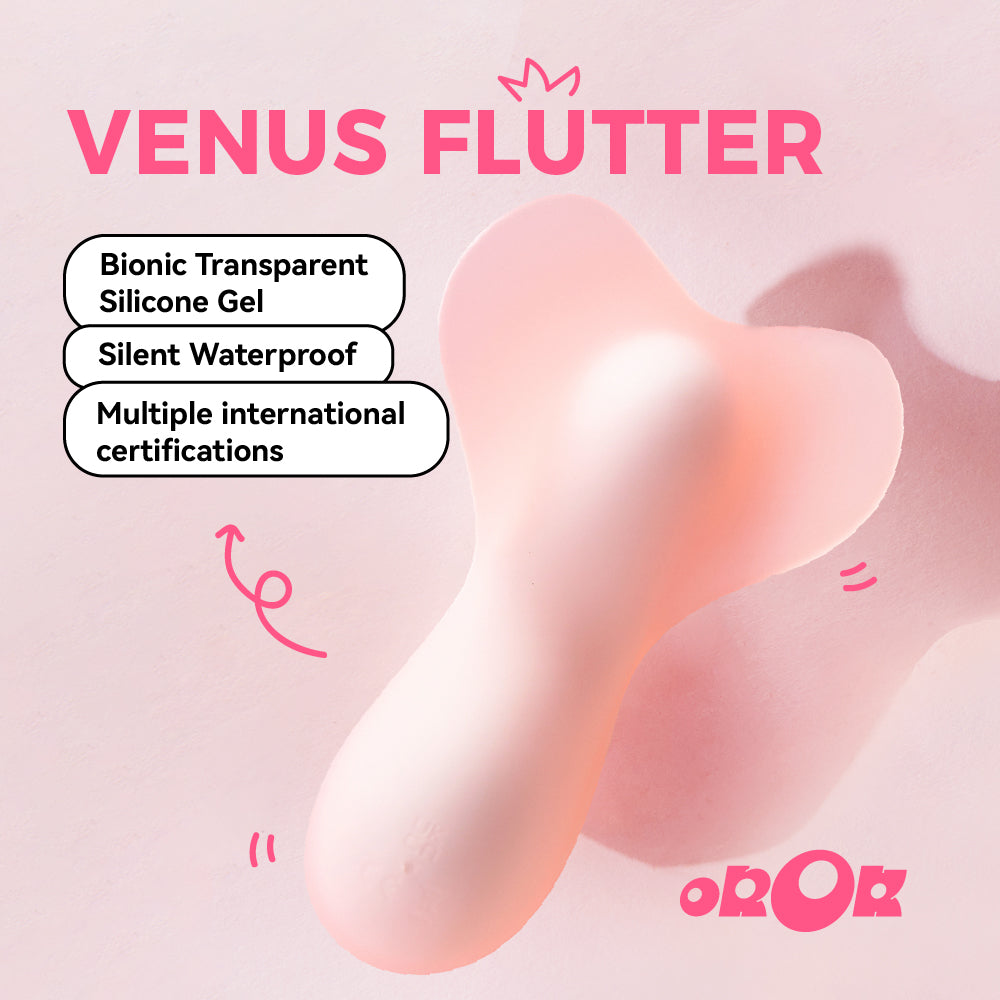
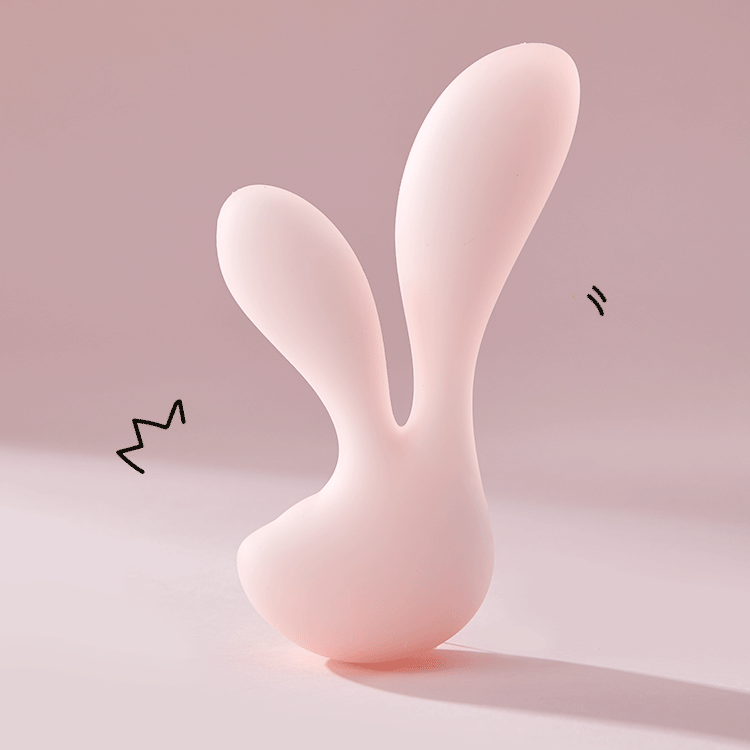
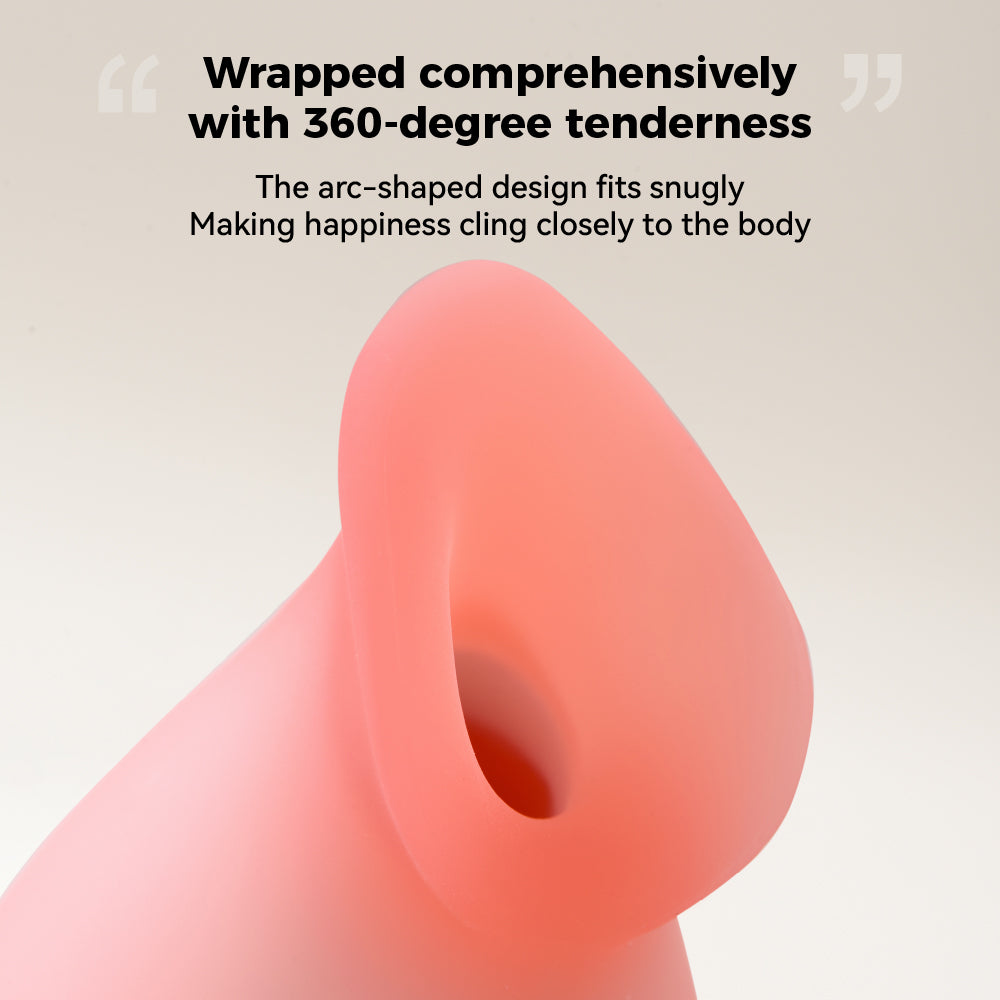
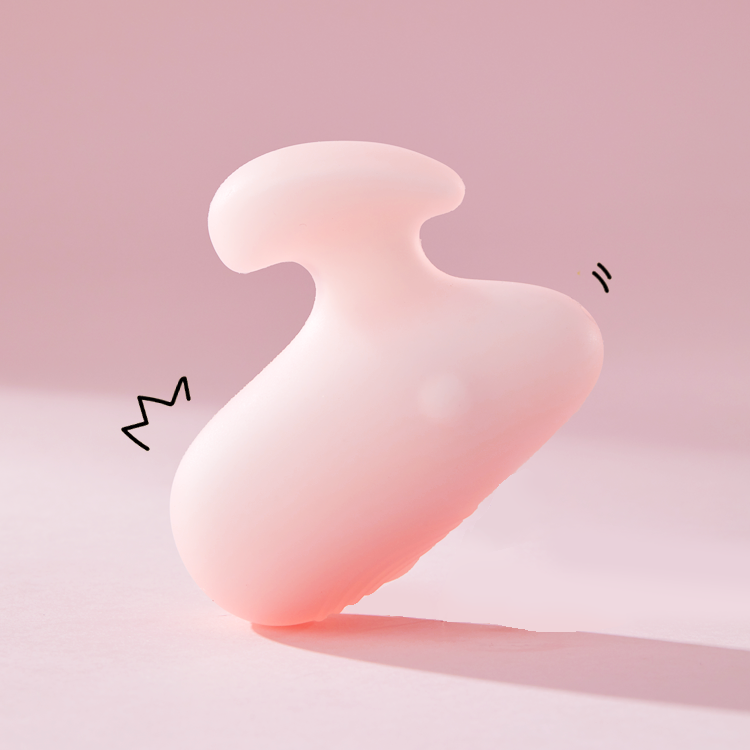
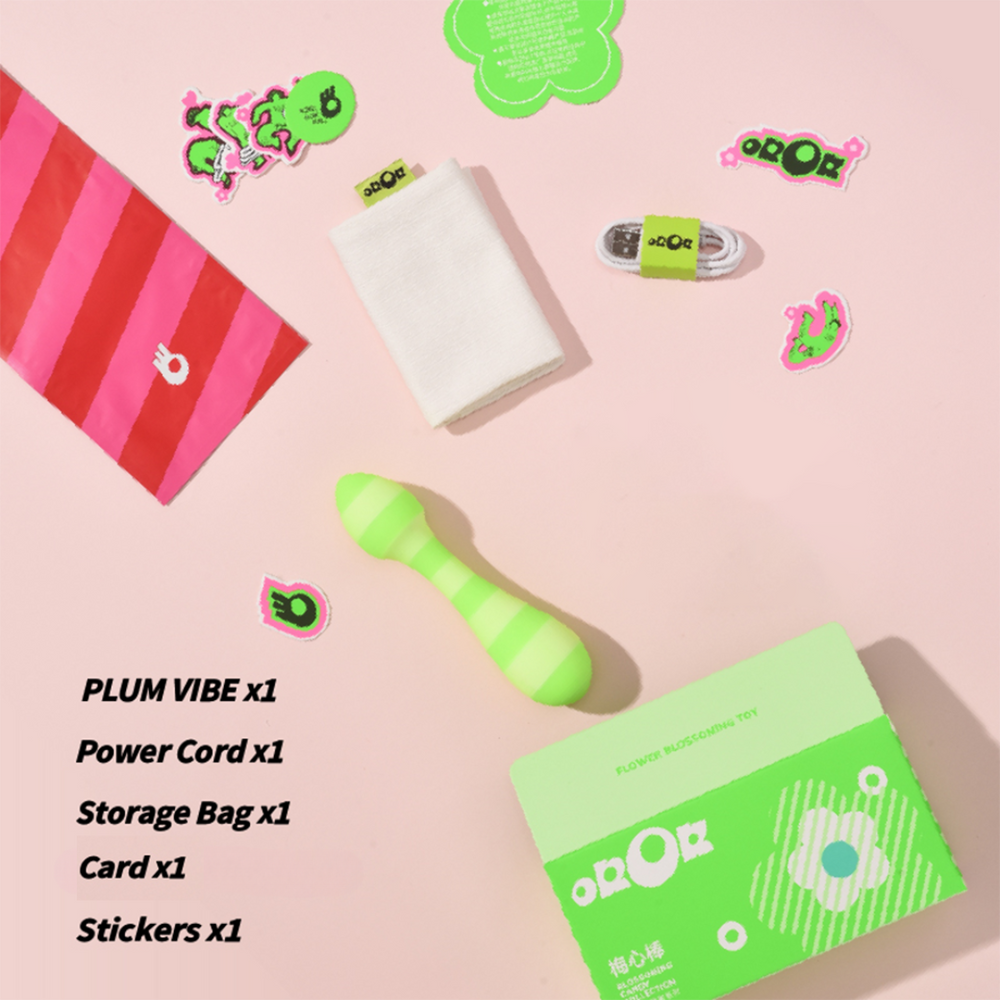
For example, tools like our PinkPunch, made from food-grade silicone, are designed with safety and softness in mind — offering peace of mind as well as comfort.

Safe Silicone Vibrator


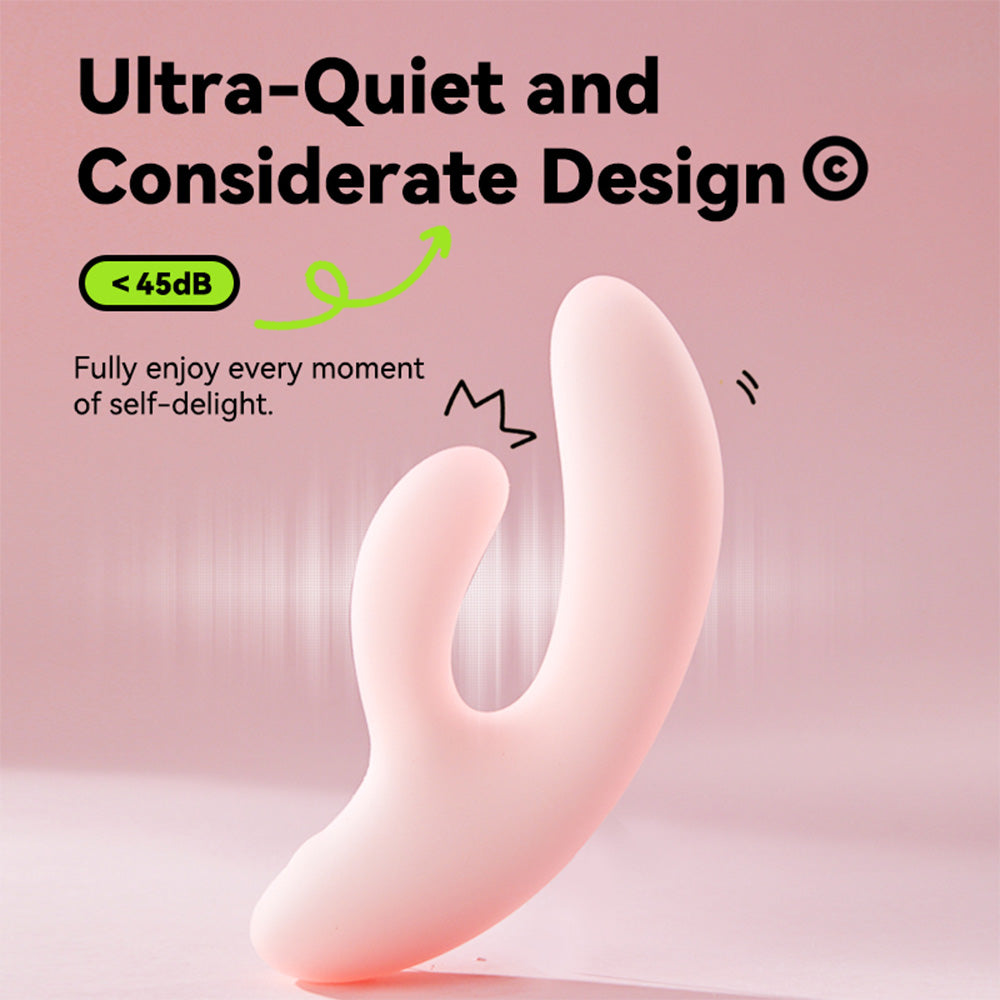
2. Low Noise for a Sensitive Nervous System

During the luteal phase, many women notice increased sensory sensitivity. Loud or high-pitched motor sounds can feel surprisingly overstimulating.

Choosing a quiet, low-noise vibrator helps maintain a calming environment and supports relaxation rather than distraction.


3. Beginner-Friendly Design

The luteal phase is not the time for complicated controls or overwhelming sensations. A beginner-friendly vibrator — simple to use, intuitive, and gentle by design — is often the best choice.

  • External use
  • Softer vibration patterns
  • A more approachable, non-intimidating experience

These features make them especially suitable for days when your body is asking for ease, not effort.

A Final Thought from PinkPunch

Luteal phase symptoms are not a sign that you are "failing" at your health. They are a communication from your body asking for a slower pace and more kindness. When you honor these signals with rest and gentle care, you transform your relationship with your entire cycle.

Self-care during this time isn’t indulgent—it’s intelligent.


Disclaimer: This content is for informational purposes and does not replace professional medical advice. If you experience severe pain or mood changes, please consult a healthcare provider.

Frequently Asked Questions: Navigating the Luteal Phase

Q1: What exactly is the "luteal phase" and how do I know I’m in it?

A: The luteal phase is the time between ovulation and the start of your period. You can identify it by tracking your cycle; it typically starts around day 15 of a 28-day cycle. Physically, you might notice your basal body temperature rises slightly and your mood or energy begins to shift.

Q2: Why does my skin break out during this phase?

A: Rising progesterone can stimulate the production of sebum (skin oil), which can clog pores and lead to "hormonal acne," especially around the jawline. Focusing on gentle cleansing and hydration—rather than harsh treatments—is best during this sensitive time.

Q3: Is it normal to feel more anxious or have trouble sleeping?

A: Yes. The drop in progesterone just before your period can affect your body’s ability to handle stress and disrupt your sleep architecture. This is a great time to practice "sleep hygiene" and use calming relaxation techniques.

Q4: How can gentle vibration help with pelvic heaviness?

A: Many women experience "pelvic congestion" or a feeling of fullness. Gentle, low-frequency vibration encourages blood flow and lymphatic drainage in the pelvic area, which can help alleviate that heavy, stagnant sensation and promote muscle relaxation.

Q5: What foods should I avoid to reduce luteal bloating?

A: While it’s important to nourish yourself, reducing high-sodium (salty) foods and excessive caffeine can help minimize water retention and breast tenderness. Opt for magnesium-rich foods like leafy greens and dark chocolate instead.

Q6: Can I use wellness tools or massagers if I have sensitive skin during my cycle?

A: Hormonal shifts can make your skin more reactive. If you use body-based tools, ensure they are made from non-porous, medical-grade silicone. This material is hypoallergenic and won't harbor bacteria, making it safest for sensitive days.

Q7: Why do I crave sugar and carbs so much more during this time?

A: Your body’s metabolic rate actually increases during the luteal phase, meaning you burn more calories. Additionally, your body craves carbs to help boost serotonin levels, which naturally dip. Choosing complex carbohydrates (like oats or sweet potatoes) can help stabilize these cravings.

Q8: What is the difference between "normal" luteal symptoms and PMDD?

A: While mild irritability and bloating are common, PMDD (Premenstrual Dysphoric Disorder) involves severe, debilitating emotional distress. If your symptoms interfere with your ability to work or maintain relationships, it is important to consult a healthcare provider. [WebMD PMDD]

Q9: How can I explain my "luteal needs" to my partner or friends?

A: Communication is key. Try saying: "My body is in a high-progesterone phase right now, which means I have less social energy and need more physical rest. I’d love to keep things low-key this week." Honoring your boundaries is a form of self-respect.

Q10: Can using a personal massager help with mood regulation?

A: Indirectly, yes. Physical relaxation and the release of endorphins through gentle stimulation can help shift your nervous system from "fight-or-flight" (stress) to "rest-and-digest" (calm), which can provide a much-needed emotional reset during a moody afternoon.