

Pain During Sex? One Simple Technique That Can Help

Experiencing pain during sex can be confusing, frustrating, and emotionally draining — especially when it happens even after previous sexual experience.
Many women quietly wonder: “Is something wrong with my body?” or “Am I doing something wrong?”
At PinkPunch, we hear this concern often. The good news is that in many cases, pain during sex is not caused by a medical condition — but by something much simpler and easier to change.
Why Does Pain During Sex Happen?
There are many possible causes of pain during sex, including:
- Insufficient natural lubrication
- Lack of adequate arousal or rushed intimacy
- Anxiety or fear around penetration
- Tight pelvic floor muscles
- Incorrect penetration angle or technique
Because physical and emotional factors are deeply connected, trying to identify a single “root cause” can take time — and often leads to frustration without clear answers.
Important Note: In many cases, pain during sex is not about what’s “wrong” — it’s about how penetration begins.
The Most Common Mistake: Entering the Wrong Way
Before penetration, the body needs two things above all else:
- Enough arousal
- Enough lubrication
Whether lubrication comes from natural arousal or a high-quality personal lubricant, dryness can make penetration uncomfortable or painful.
But even with enough lubrication, entering straight forward too quickly can still cause pain during sex.
A Simple Technique That Helps Reduce Pain During Sex
Instead of pushing straight inward, try this gentler approach:
- Position the tip slightly above the vaginal opening, closer to the clitoral area
- Gently guide downward in a slow, sliding motion
- Allow the outer tissues to naturally open before entering
This top-to-bottom motion gives the body time to relax and reduces pressure on sensitive tissue at the vaginal entrance.
With enough lubrication and patience, many women notice a significant reduction in pain during sex.
Why This Technique Works
The vaginal opening is naturally closed and surrounded by delicate tissue.
Even after first-time sex, some tissue around the entrance remains sensitive. If penetration happens too directly or forcefully, this area can be compressed, triggering pain.
Once pain occurs, the body often reacts by tightening the pelvic floor muscles — making penetration even more uncomfortable.
A slower, angled entry helps the body stay relaxed, preventing this pain–tension cycle before it starts.
Supporting Comfort Beyond Penetration
Prioritize Relaxation
Stress and anxiety directly affect pelvic tension. Deep breathing, longer foreplay, and a calm environment make a real difference.
Use Body-Safe Lubrication
A generous amount of lubricant can dramatically reduce friction and discomfort, especially for women prone to dryness.
Gentle External Stimulation
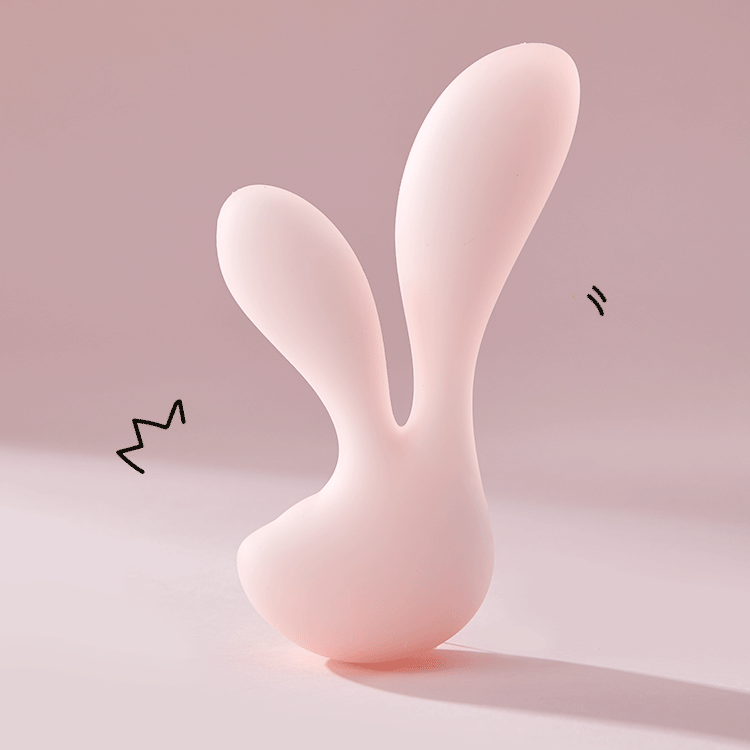
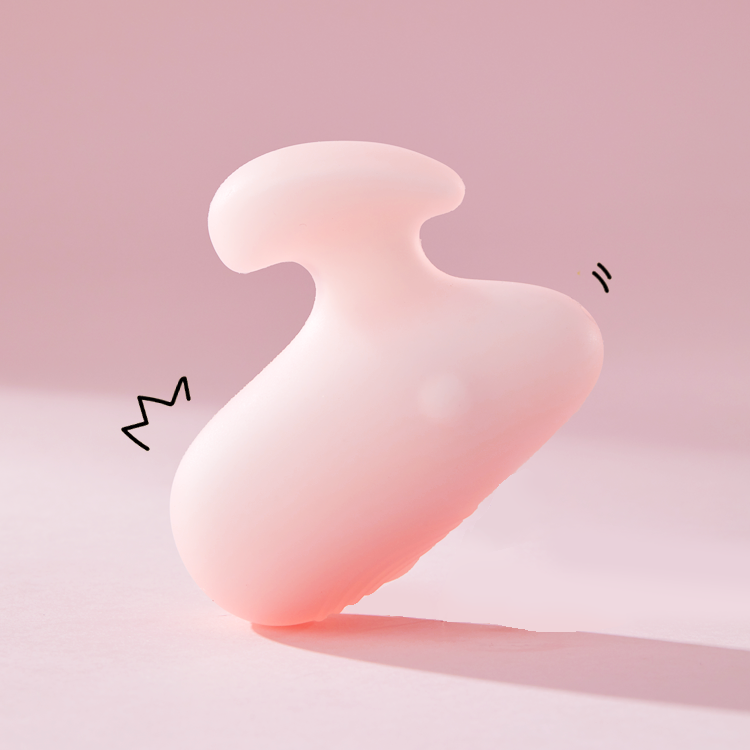
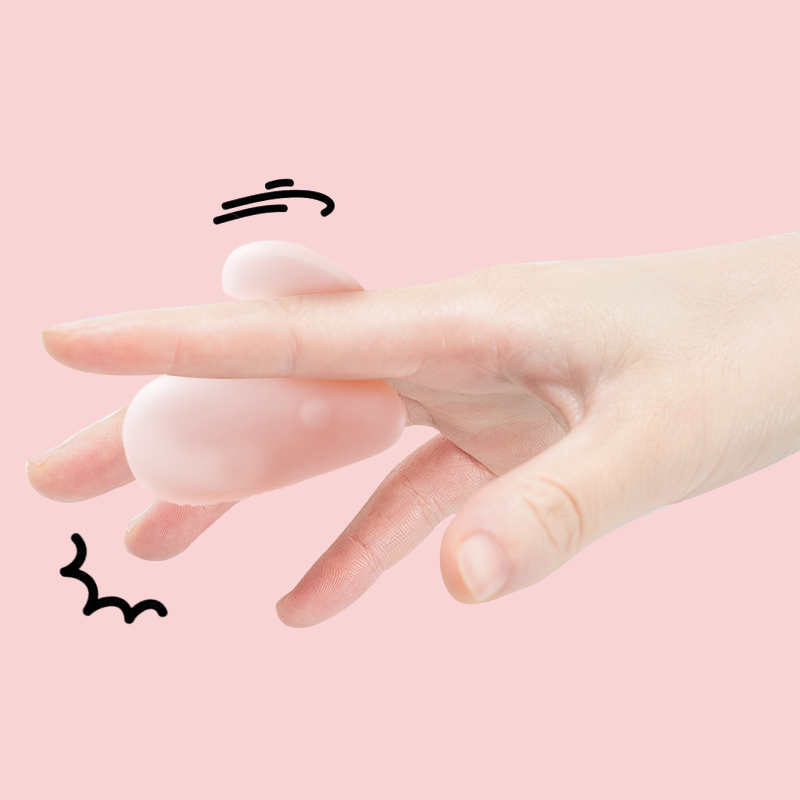
Light vibration or external stimulation before penetration can increase blood flow and help pelvic muscles relax naturally.
A Final Word from PinkPunch
If you experience pain during sex, your body is not broken.
Often, the solution lies in slowing down, adjusting technique, and offering your body the comfort and patience it deserves.
Pleasure should never come with pain — and you deserve intimacy that feels safe, relaxed, and enjoyable.
Disclaimer: This content is for educational purposes only and does not replace professional medical advice. If pain during sex is persistent or severe, please consult a qualified healthcare provider.
Frequently Asked Questions About Pain During Sex
A: It is common, but not something you should ignore. Many women experience it at some point, often due to lubrication, tension, or technique.
A: Yes. Anxiety can lead to involuntary pelvic muscle tightening, which makes penetration uncomfortable or painful.
A: Not always. While medical conditions exist, many cases are related to arousal, lubrication, or muscle tension.
A: Absolutely. Proper lubrication significantly reduces friction and lowers the risk of pain during sex.
A: Yes. Gentle external vibration can promote blood flow, relax muscles, and help the body feel safer and more receptive.





Leave a comment