

Guide to Understanding Female C-spot / G-spot / U-spot / A-spot

Research shows that, on average, men reach orgasm in about 5 minutes, whereas women typically require around 8–15 minutes. One commonly cited explanation is that female erogenous zones are more anatomically complex and less externally accessible.
So which areas act as “pleasure zones” in women? The four most commonly discussed are the C-spot, G-spot, U-spot, and A-spot.

C-spot, G-spot, U-spot, A-spot diagram
Next, let’s go through each one step by step.
C-spot
The C-spot refers to the clitoris, a unique anatomical structure containing around 8,000 nerve endings and existing primarily for sexual sensation. Because of its shape, it is often called the “little bean.”
Where is the C-spot?
The C-spot is located above the urethral opening and vaginal entrance. It becomes engorged during arousal. When gently touched, a slightly raised area can usually be felt, and light pressure produces sensation.

C-spot stimulation techniques —
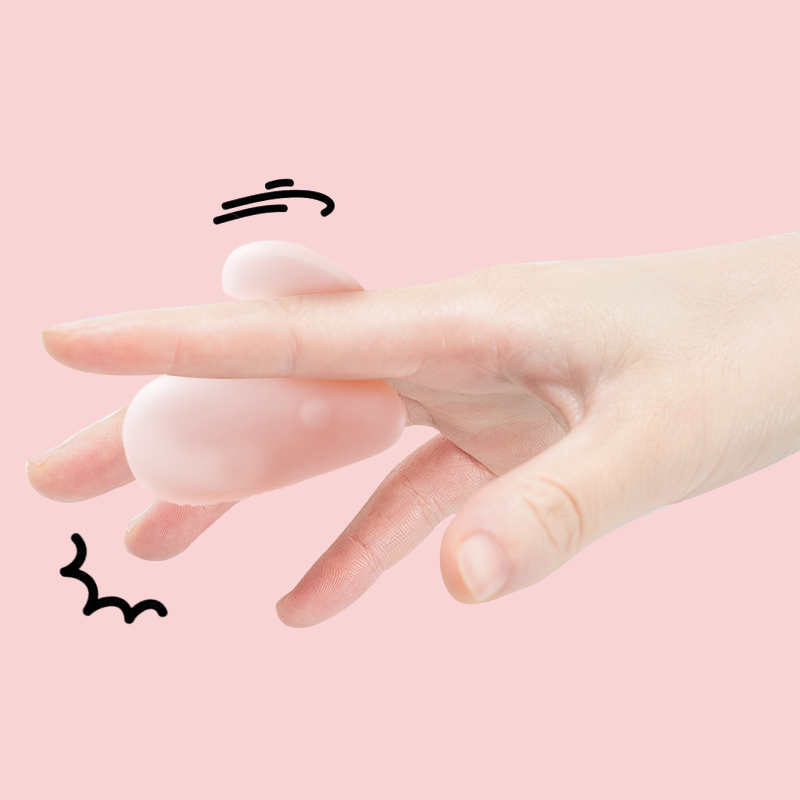
The stimulation technique for the C-spot can be summarized as: lightly circling, gently rubbing, and varying pressure and rhythm. Using fingers, many people explore soft circular motion around the area.
With sufficient arousal, suction-based toys with lubricant are sometimes used for stimulation. Sensations from C-spot stimulation are often described as intense but relatively short-lived, rising quickly and fading quickly, sometimes lasting only a few seconds. Overstimulation may cause temporary sensitivity loss in the area.
G-spot
The G-spot is not a single point, but rather a sensitive area roughly coin-sized, which may feel slightly textured and becomes more responsive under arousal.
Where is the G-spot?
The G-spot is located on the front vaginal wall, about 5–7.5 cm inside. When stimulated, the tissue may feel softer and slightly raised.
Without sufficient arousal, it can be difficult to locate, as the tissue is less prominent.

G-spot exploration techniques —
• Trim fingernails or use finger covers if needed
• Use lubricant and relax the body
• Insert fingers about 5–7 cm and angle upward slightly
• Look for a slightly textured or swollen area
Experiences vary widely. Some people report strong full-body sensations, while others may experience milder responses.
Compared with C-spot stimulation, G-spot stimulation is often described as deeper and longer-lasting, though locating the right area is key.
Some individuals may find it difficult to identify due to differences in sensitivity or arousal levels. With exploration, sensitive areas may become easier to notice.
U-spot
The U-spot is located near the urethral opening. It is associated with erectile tissue surrounding the urethra, which can become engorged during arousal and contribute to sexual sensation.
During early stimulation, arousal may increase, but sensitivity can vary depending on intensity and context.
Where is the U-spot?
The U-spot is located about 2–3 cm inside the vaginal opening. Because it is close to the G-spot, the two areas can be easily confused.

One difference is that stimulation near this area may create a sensation similar to needing to urinate.
U-spot exploration techniques —
The U-spot may be stimulated alongside the G-spot. Before exploration, it is often recommended to empty the bladder. Some people report a strong urge-to-urinate sensation that can be difficult to distinguish from arousal-related sensations.
A-spot?
The A-spot, sometimes referred to as the “female prostate” in some literature, is located deeper inside and is less easily accessible. It may become more noticeable under arousal.
Where is the A-spot?
The A-spot is located between the G-spot region and the cervix, approximately 10–12 cm inside the vaginal canal.

It is generally recommended to focus on more accessible areas first, as deeper structures become more responsive with arousal.
A-spot exploration techniques —
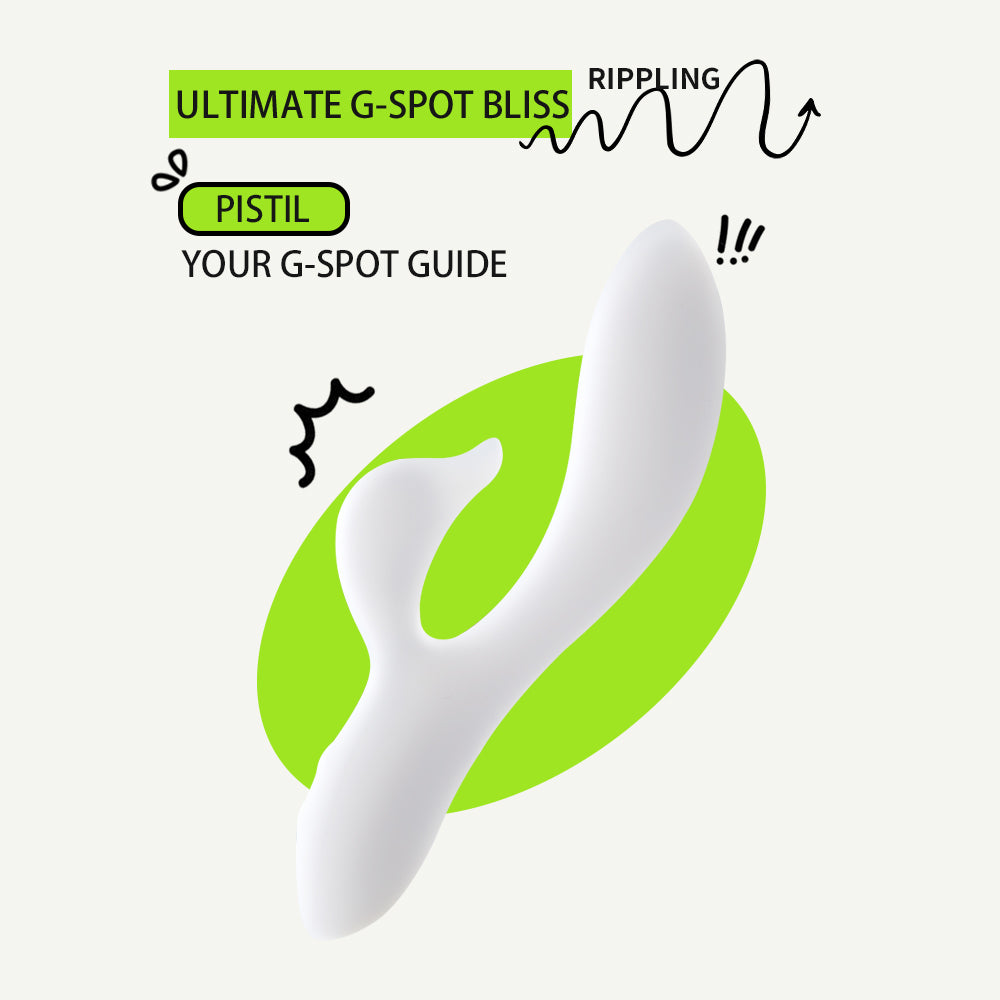
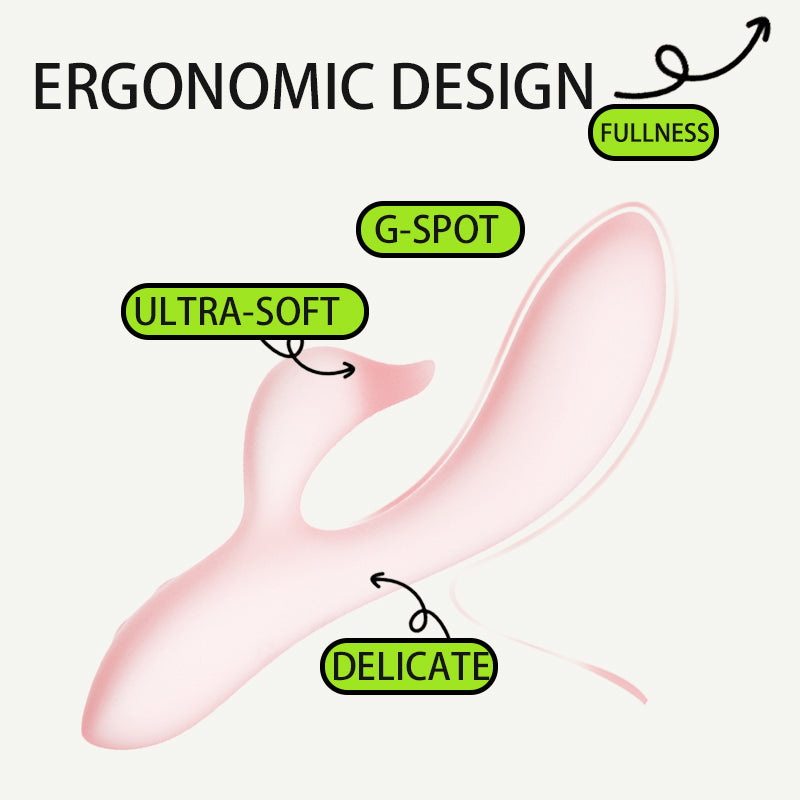
Because of its depth, finger stimulation may be difficult. Some people use curved or angled toys for better access. Both the G-spot and A-spot are located on the front vaginal wall, which is not a straight surface, so angled tools are often more effective.
Because of its sensitivity and proximity to the cervix, excessive force may cause discomfort and should be avoided.
Wishing you a safe and informed exploration of your own body.







Leave a comment